
Photobiomodulation
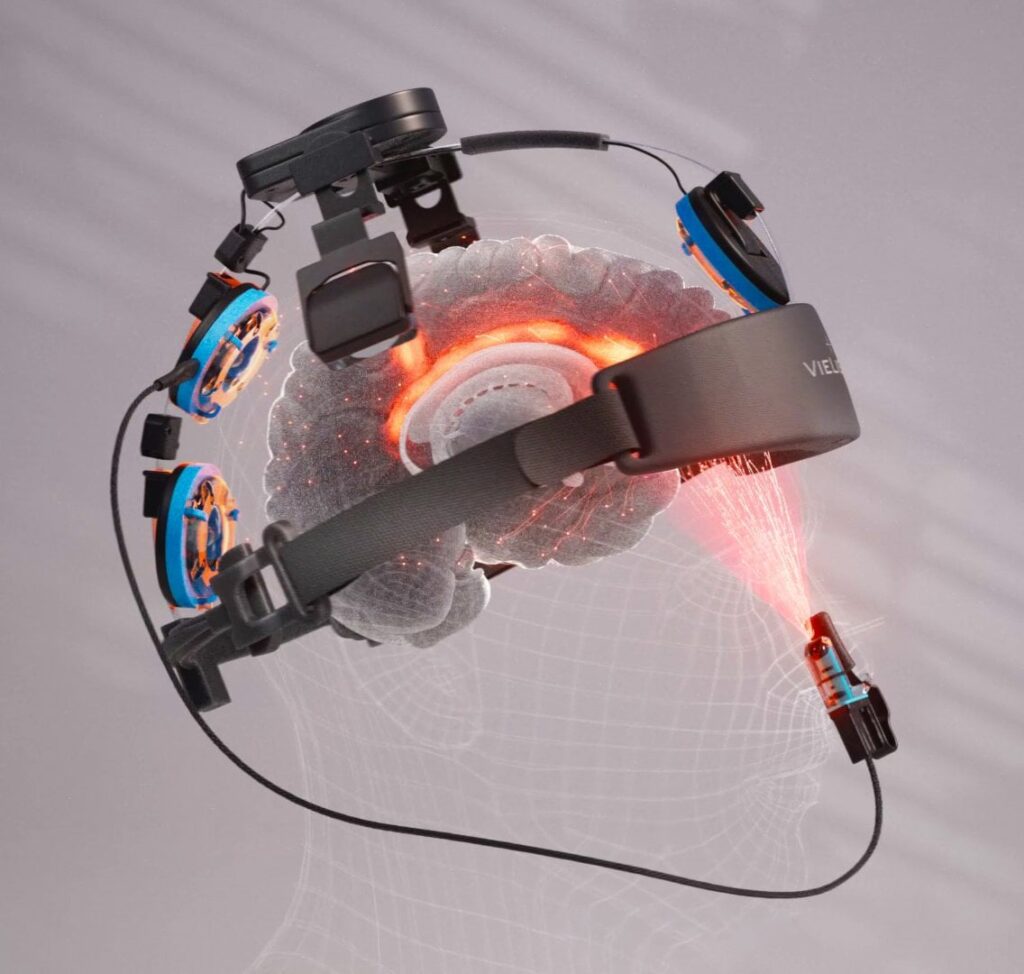
Photobiomodulation therapy (PBM Therapy) previously known as Low Level Laser Therapy (LLLT) is the application of red and near infra-red light over injuries or lesions to improve wound and soft tissue healing, reduce inflammation and give relief for both acute and chronic pain. It is further defined as the utilization of non-ionizing electromagnetic energy to trigger photochemical changes within cellular structures that are receptive to photons. Mitochondria is particularly receptive to this process. At the cellular level, visible red and near infrared light (NIR) energy are absorbed by mitochondria, which perform the function of producing cellular energy called “ATP”. The key to this entire process is a mitochondrial enzyme called cytochrome oxidase c, a chromophore, which accepts photonic energy of specific wavelengths when functioning below par. We use the Vielight Neuro Gamma and The Vielight Neuro Alpha which delivers painless, noninvasive, non-thermal, non-laser, pulsed, near-infrared light (810nm wavelength) through 5 non-laser LEDs over a 20- minute session. We will take an in-depth look at client qEEG’s and discuss symptoms to determine if Vielight training is right for the client. Vielight Neuro Gamma and Neuro Alpha The Vielight Neuro Gamma’s 40 Hz pulse rate and Neuro Alpha at a 10 Hz pulse rate correlates with EEG gamma and alpha brain oscillations. It is a powerful brain photobiomodulation (PBM) device and is one of two nextgeneration near infrared (NIR) wearable devices, suitable for use at home. The patented combination of transcranial and intranasal stimulation makes the Neuro Gamma ideal for comprehensive brain photobiomodulation, by simultaneously stimulating the ventral and cortical brain areas.
Powerful yet simple, the Vielight Neuro Gamma features microchip-boosted transcranial LED diodes, which generate sufficient power to penetrate the skull. Designed to enhance cerebral blood flow and brain metabolism, the Neuro Gamma delivers transcranial/intranasal 810nm NIR light, pulsed at a gamma oscillation of 40 Hz. The potential benefits of heightened gamma waves are increased focus and improved memory encoding.